1) The problem: not one big issue, but a hundred small inconveniences
In our fictional example, we follow Anna, 38, living in Johannesburg. She works in an office, walks around the city a fair amount, and tries to stay active. Her life is neither extremely sedentary nor unusually dynamic. That is precisely why she does not recognise the symptoms as a pattern at first. She calls it "slight sensitivity" and carries on.
Everything starts discreetly. After an intense day, Anna feels discomfort in a sensitive area — not severe, but enough to subtly change her behaviour. Ordinary toilet paper feels rougher than before. A week later, the same thing happens. Then again. And then more and more often during the day.
At work she sits for hours. When she gets up after 45 minutes, she feels irritation. Not dramatic, but enough to start thinking about her next trip to the bathroom. She avoids public toilets when she can, because she knows wiping alone is not enough to feel truly clean.
The real impact lies in those discreet adjustments. Not in what she can no longer do, but in what she unconsciously starts doing differently. Anna notices she plans her day around where there is a "good bathroom". She feels less at ease after sport, after a long walk, or on more sensitive days of the month.
An important point in situations like this: people often spend a long time searching for the "perfect cause" before doing something practical. Anna did the same. She tried wet wipes, special creams, different types of paper. Some days were better, others worse. The problem was not that nothing helped, but that nothing was stable and gentle enough for everyday life.
After a few months, it is not the discomfort itself that frustrates Anna most, but the mental fatigue. Before every activity she thinks: "How will I feel afterwards?" That costs energy. She does not want to avoid moments for herself, but she also keeps analysing them. She is not looking for a medical miracle or aggressive advertising promises. She is looking for certainty.
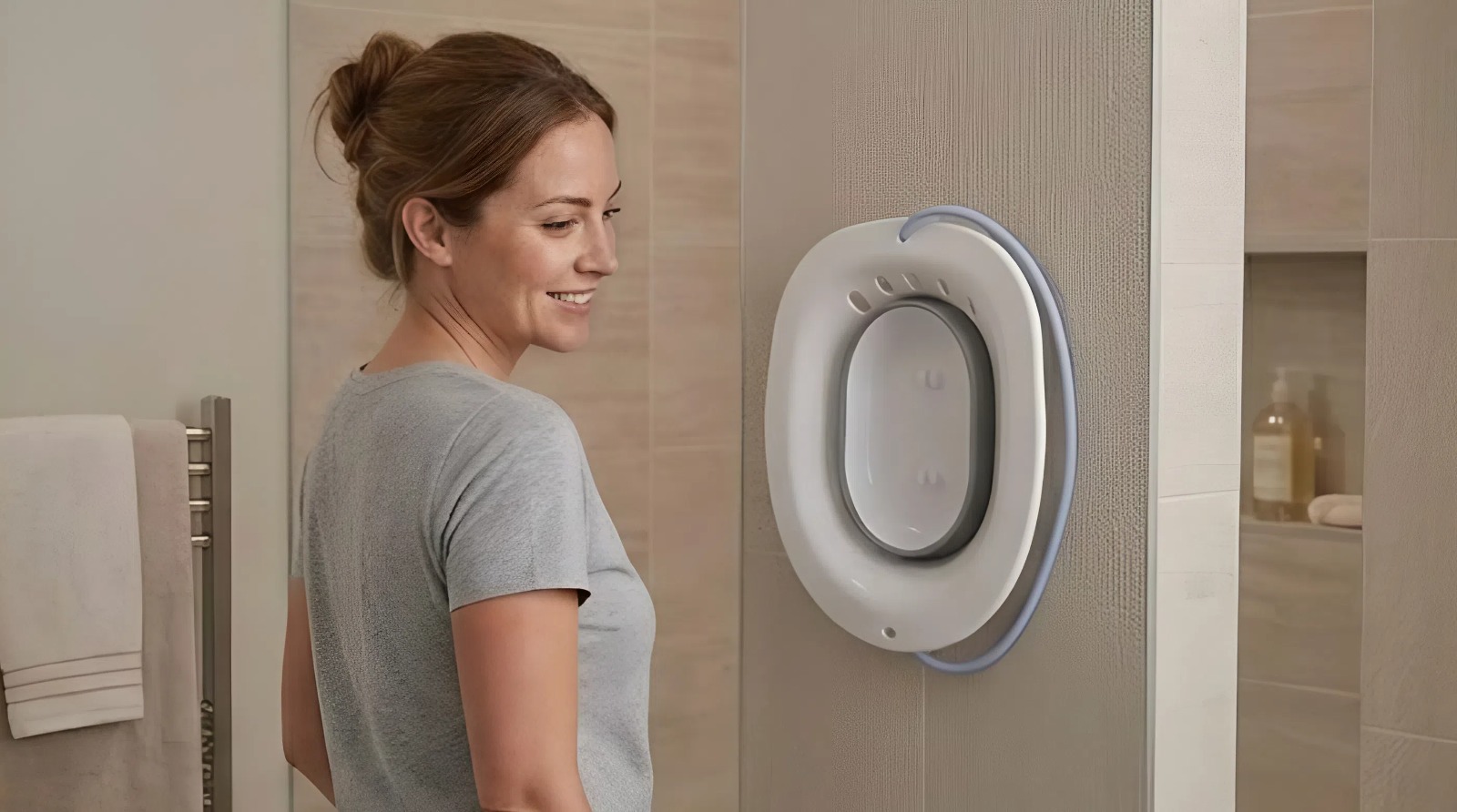
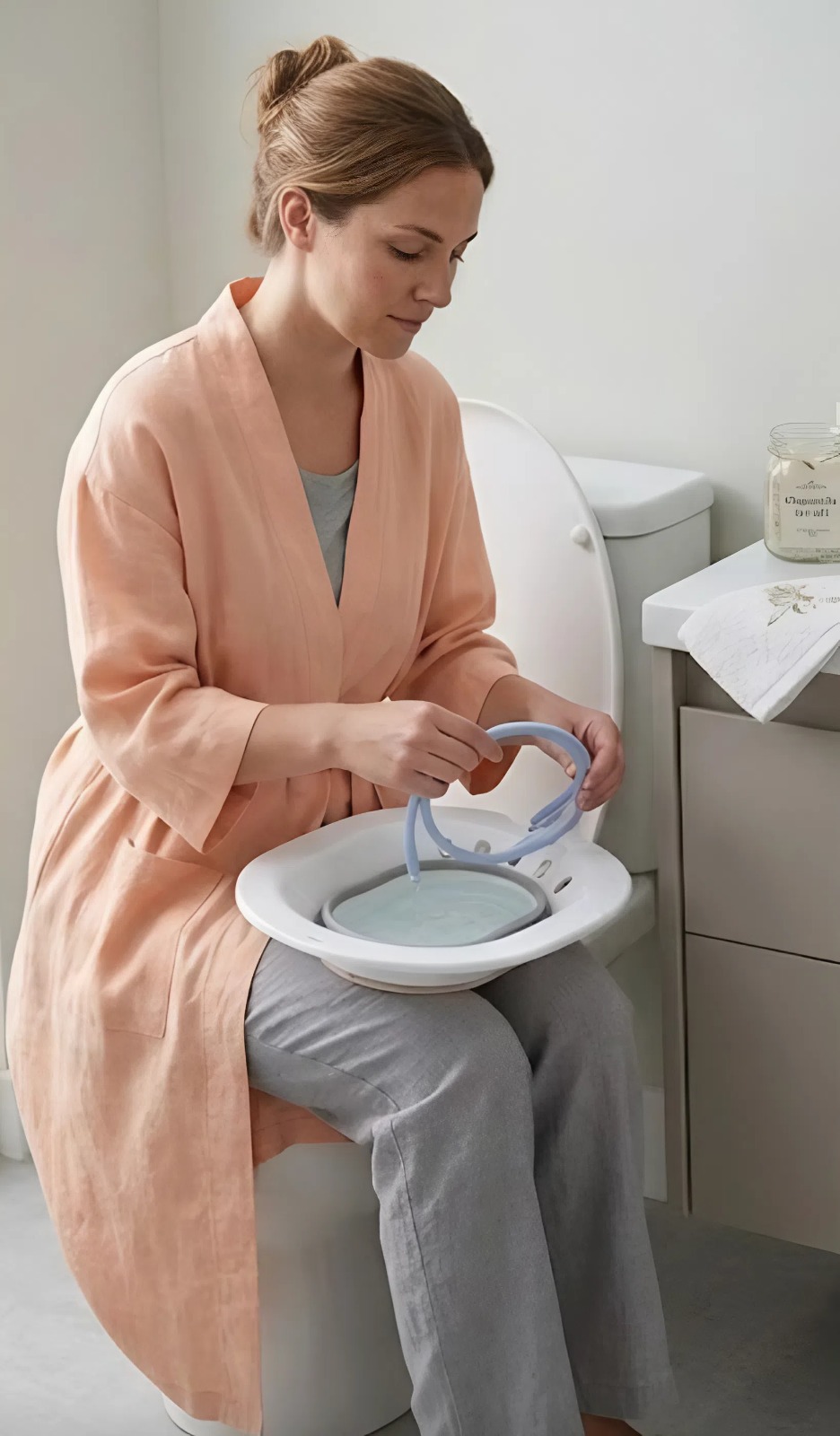
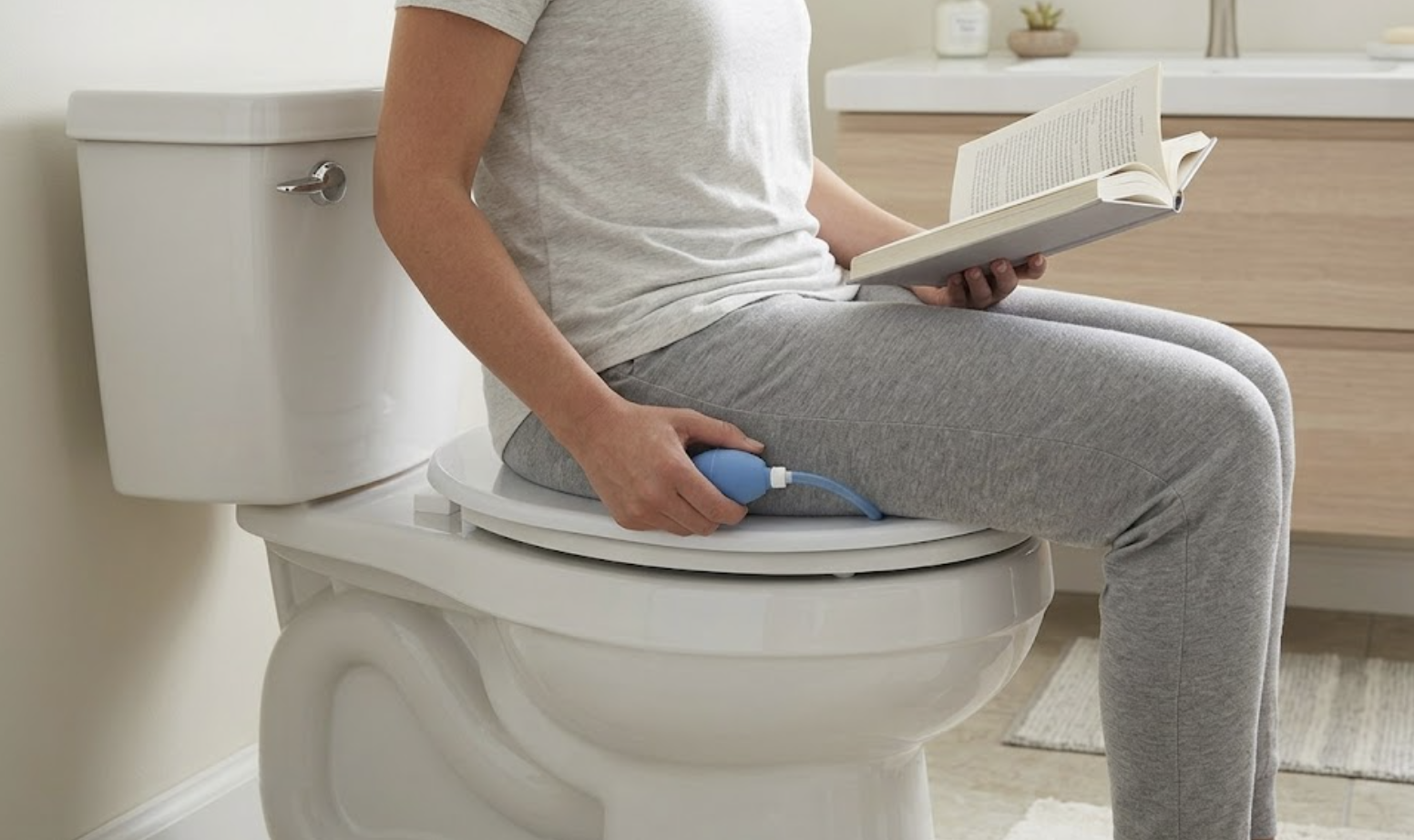
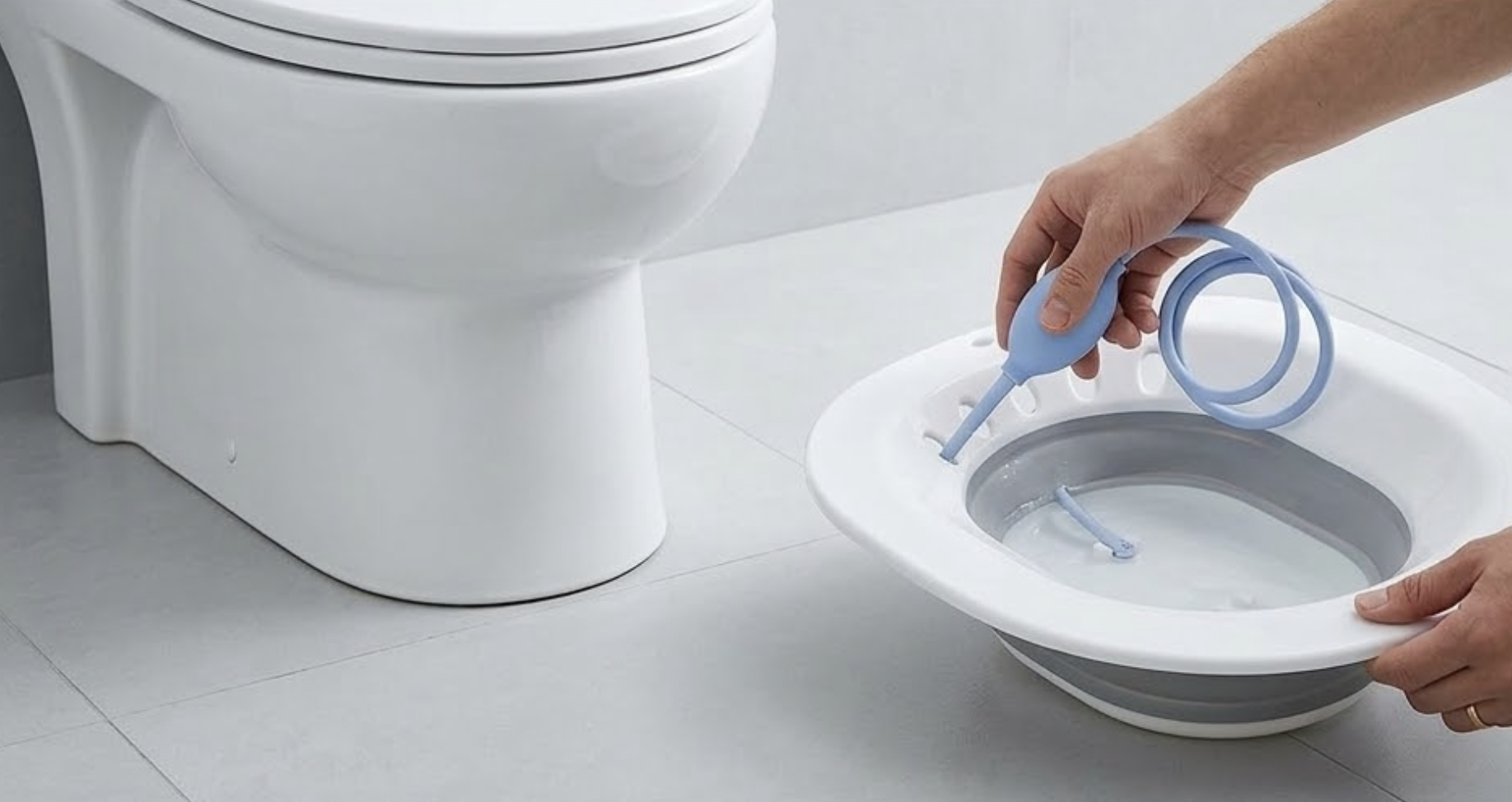
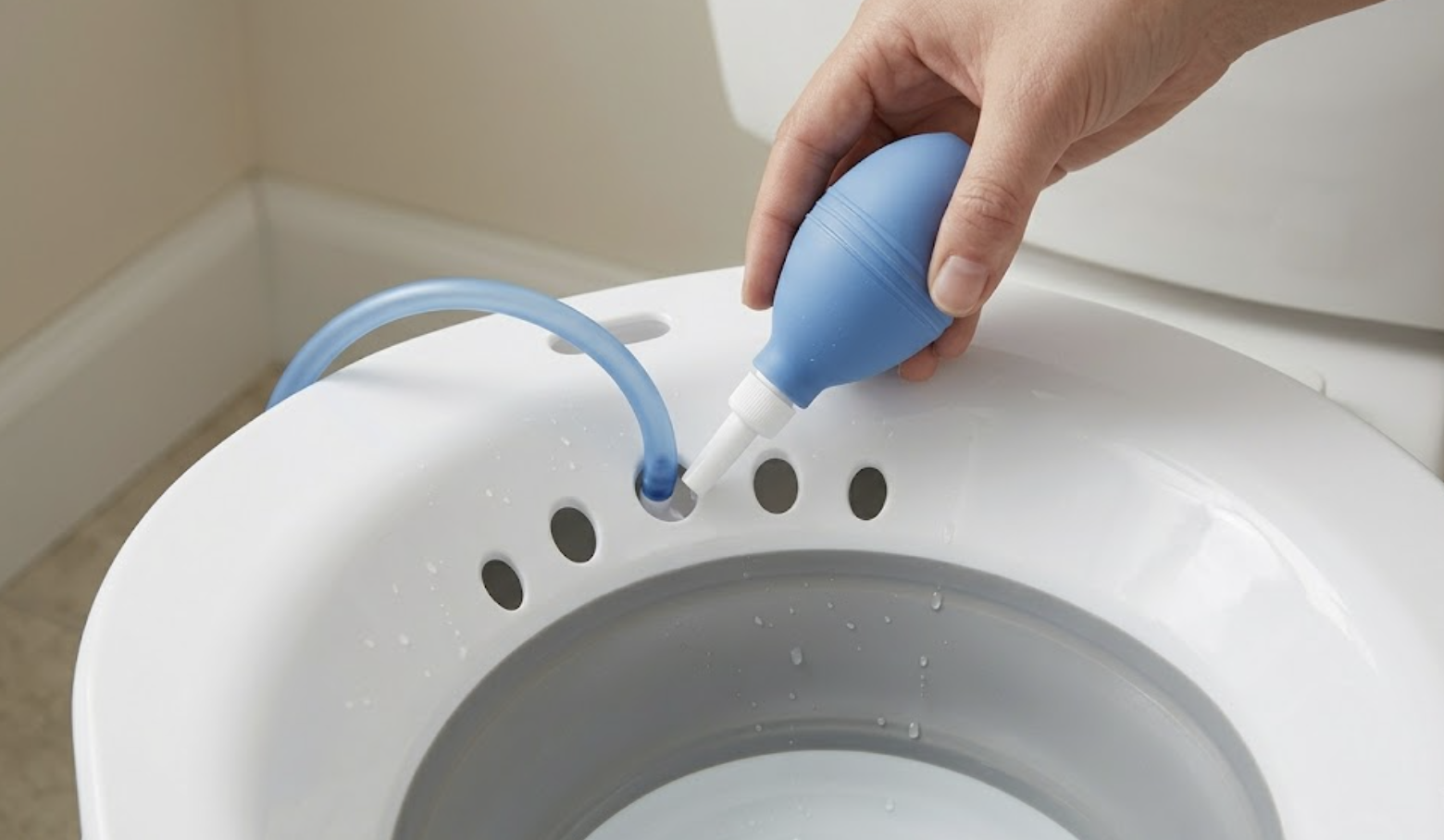
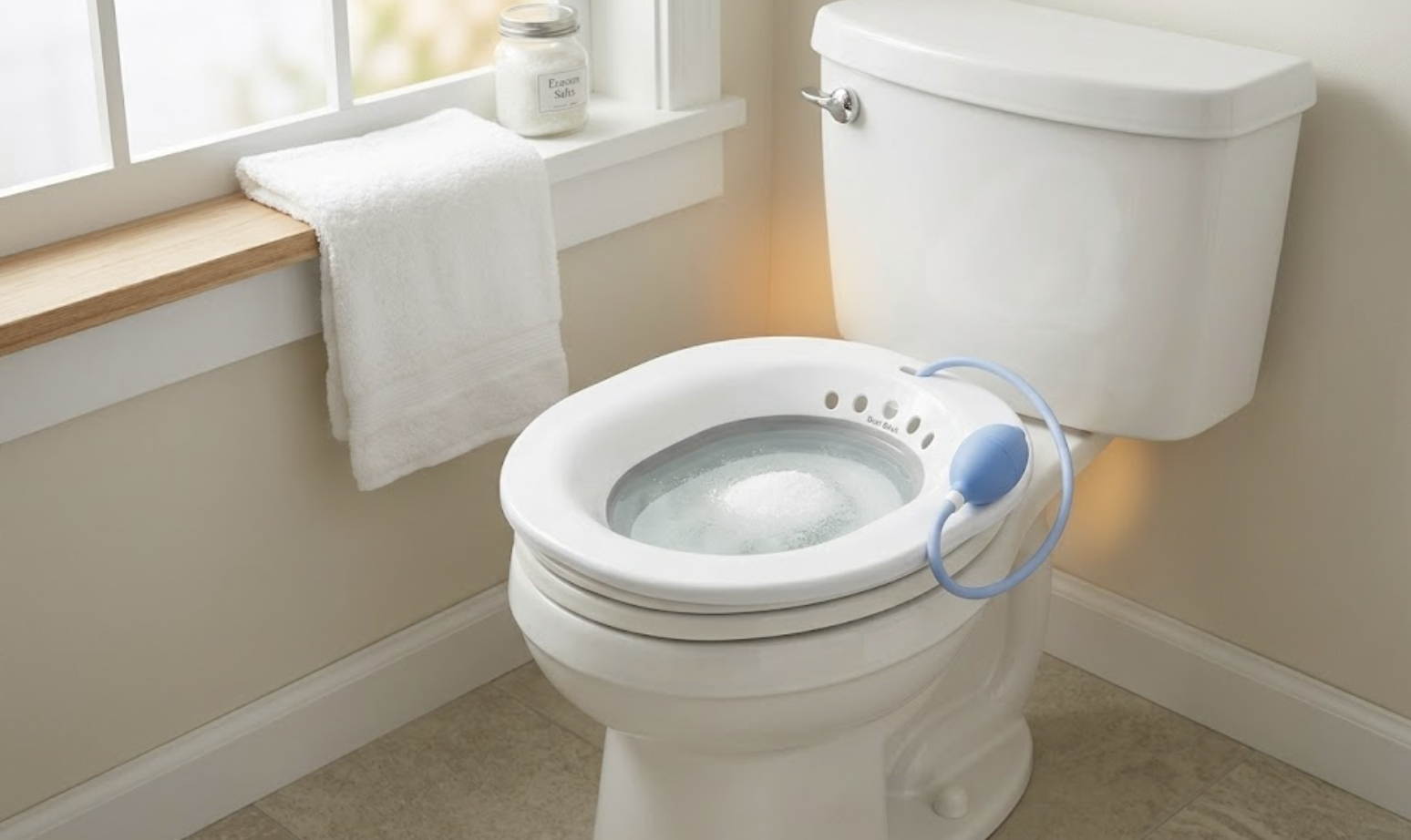
And that is the essence of the problem AquaNési addresses: people often do not need flashy claims, but reliable support for everyday hygiene without unnecessary complication. A bidet you do not use once, but one that truly becomes part of your routine — at home and on the go.
In conversations with users, the same phrase keeps coming up: "I just want to feel clean and comfortable without constantly thinking about it." That does not mean ignoring discomfort. It means caring wisely for the moments that make a difference: after the toilet, after sport, on sensitive days, after a procedure, or simply at the end of a long day.